Founding evidence base

The work behind the mission.

MP2 grows from applied research on harmful behaviors, organizational culture, readiness, and human performance. This library separates what each source establishes from what it does not.

Two RAID-T leaders standing outside the Raider Brigade headquarters at Fort Carson.
RAID-T leaders at Fort Carson. U.S. Army photo by 1st Lt. Taylor Graham via DVIDS.

Origin story DVIDS · April 2024

The Project Prevention Journey: Raider Analytics, Innovation, and Data Team (RAID-T) Efforts to Forecast and Reduce Harmful Behaviors

The work began with a commander asking how to focus scarce leader attention before the next crisis. That question grew into RAID-T, a volunteer coalition pairing unit-level signals with local context and human care.

Historical note: “Project Prevention” was the Army initiative described in this story. The current collaborative is Mission: Prevent & Protect.

Read the origin story

Follow the evidence—and its limits.

These sources motivate MP2's agenda. They do not establish universal effects, justify individual risk scoring, or replace local diagnosis and professional judgment.

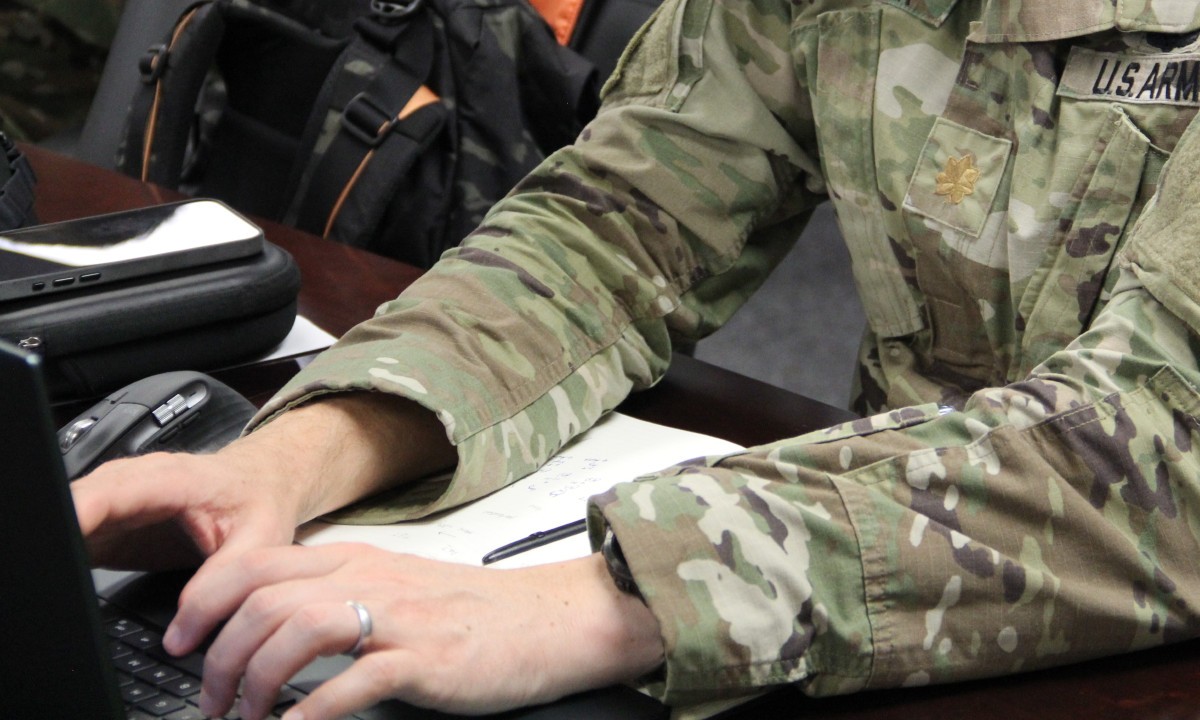
A service member working at a laptop, the lead image for the Modern War Institute article.

Modern War Institute · 2025 Public synthesis

Protecting Soldiers, Preventing Harmful Behaviors, and Boosting Combat Readiness—with Data

Connects unit-level forecasting, leader interpretation, tailored care, and organizational learning. A public synthesis—not a stand-alone causal report.

Read the article
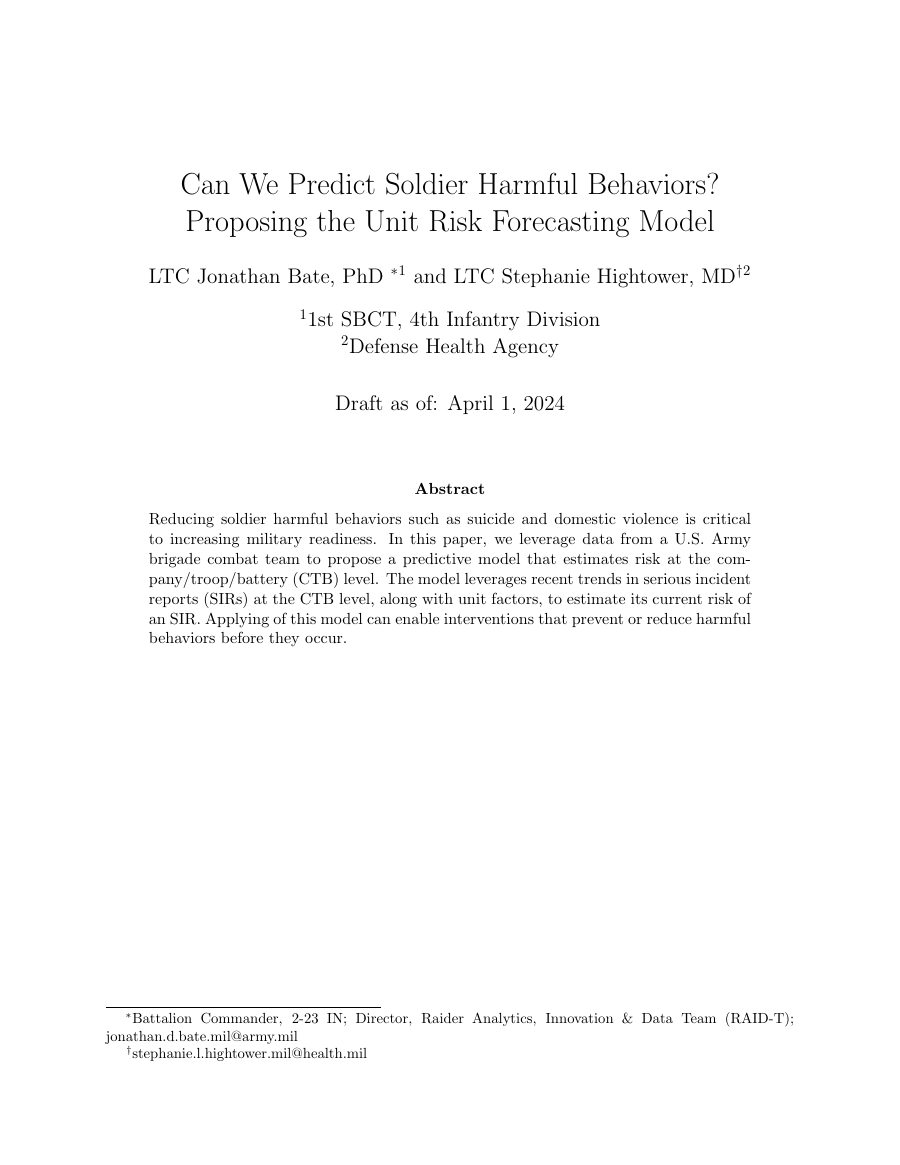
First page of the Unit Risk Forecasting Model working paper.

SSRN working paper · 2025 Predictive

Can We Predict Soldier Harmful Behaviors? Proposing the Unit Risk Forecasting Model

Proposes a company-, troop-, or battery-level model using recent recorded-incident trends and unit factors. It is not an individual risk score or an intervention impact evaluation.

Read the paper
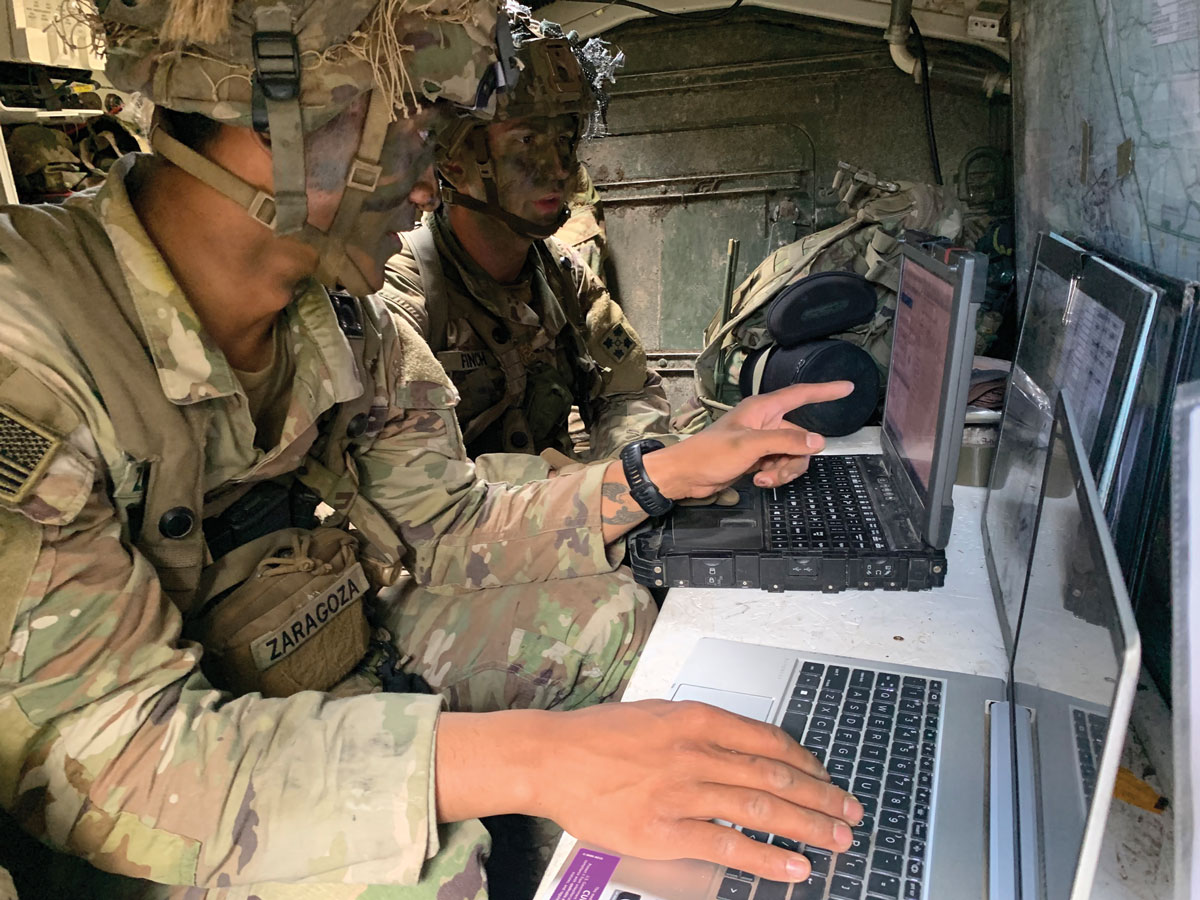
Two service members using data tools inside a Stryker tactical command post during a combat training rotation.

Military Review · 2024 Practice

Taking a Data-Centric Approach to Unit Readiness: Leveraging Analytics in a Brigade Combat Team

Describes an embedded research-and-analytics method for turning leader questions and operational data into decision-relevant evidence.

Read the article
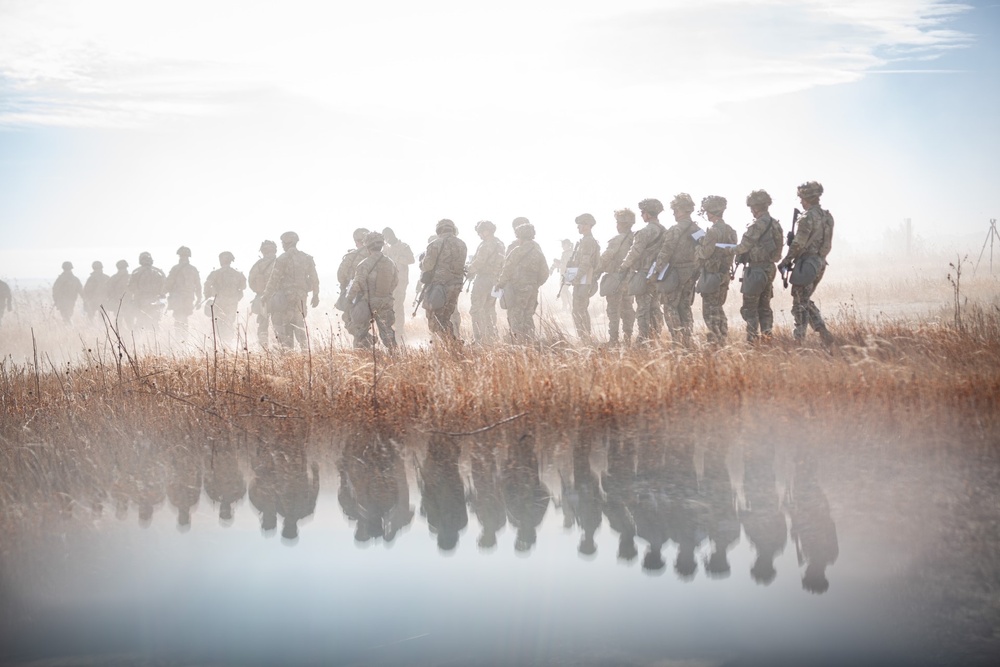
Service members walking onto a land-navigation course at Fort Carson.

Military Review · 2025 Associational

What Can We Learn from Measuring Unit Culture? Preliminary Evidence from a Data-Centric Approach to Organizational Performance

Explores associations among culture, inspiration, leader behavior, cohesion, performance, and harmful behaviors. The preliminary design does not prove causation.

Read the article
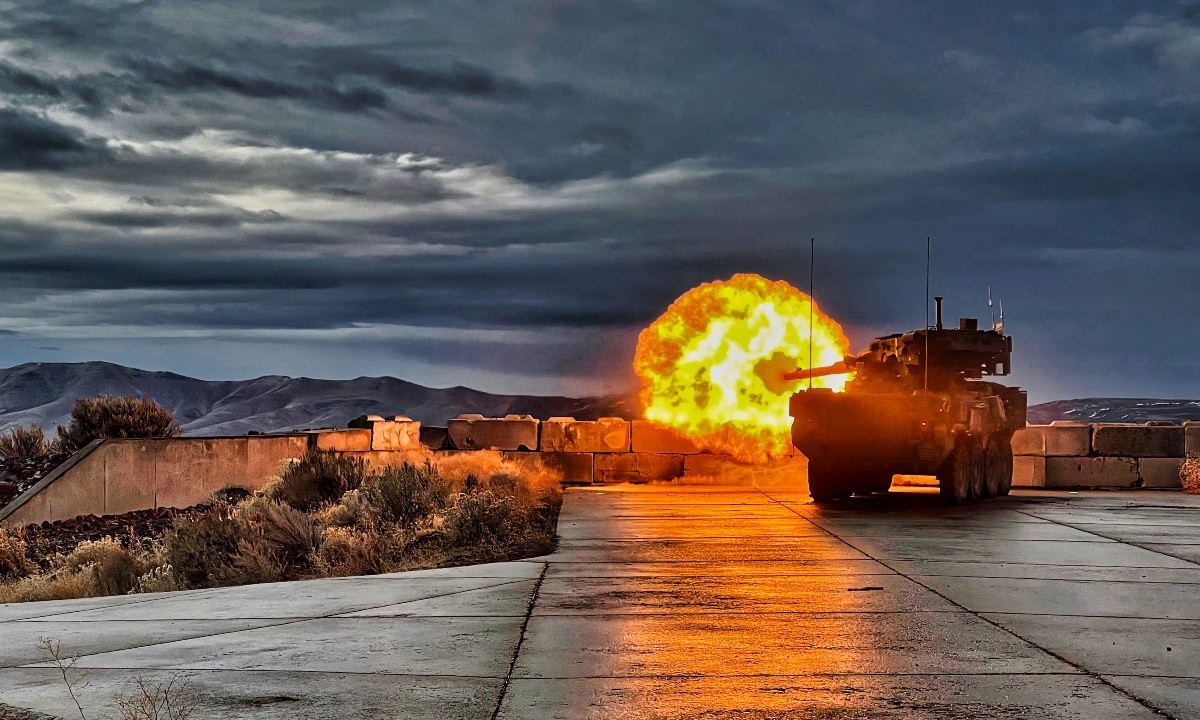
An armored vehicle firing during a gunnery exercise, the lead image for the Modern War Institute article.

Modern War Institute · 2026 Applied case

Can Biometric Data Make Units More Combat Ready? Yes, and this Brigade Gunnery Exercise Showed How

Examines responsible use of human-performance data to inform training, recovery, and leader decisions while keeping people in the lead.

Read the article

What remains unsettled matters.

The public base-model paper is predictive and associational. It does not estimate whether the intervention caused a change in recorded incidents.

The separate 4ID pilot impact evaluation remains a controlled draft whose treatment timing, code branch, analytic data, and saved outputs require reconciliation before MP2 treats its estimates as settled or reproducible.

Public claim standard: every quantitative or high-stakes statement must carry a source, limitation, causal-status label, and release-status check.