Research library

Evidence for better prevention.

Start with the question. Examine the research, understand its limits, and decide what needs to be tested in your setting.

Browse the sources

Research areas

Browse the papers and reports by research area. Open a publication to read the source, or expand its evidence and limits.

Learn the research methods

Unit forecasting and risk models

SSRN working paper · 2025

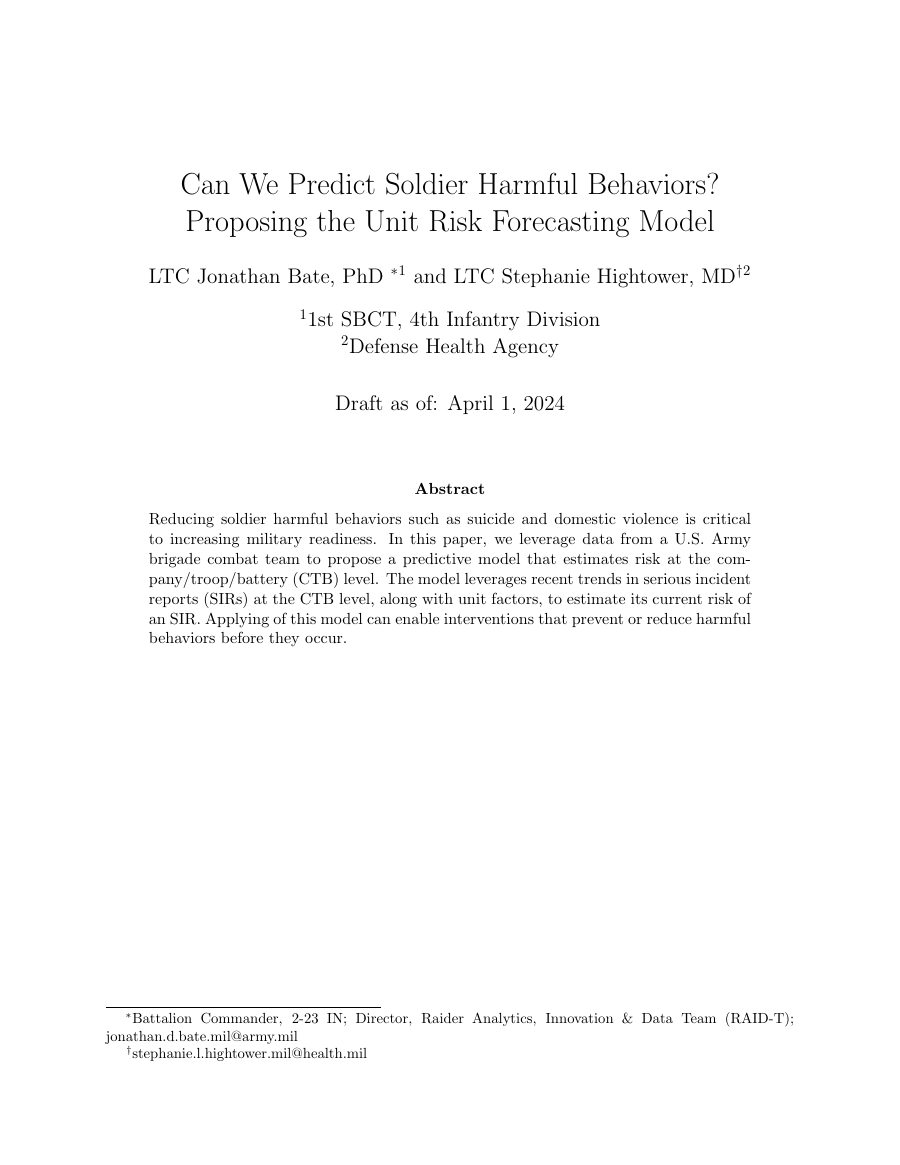
Can We Predict Soldier Harmful Behaviors? Proposing the Unit Risk Forecasting Model

Jonathan Bate and Stephanie Hightower

Public working paper · Working paper

Evidence and limits
Question
Do recent recorded incidents help estimate a company-sized unit’s current-week recorded risk?
What it shows
The public base-model paper proposes an organizational forecasting model in which recent recorded-incident patterns help estimate a company-sized unit's near-term probability of another recorded incident.
Limits
The analysis is predictive and associational, setting-specific, and based on recorded reports. It is not the pilot impact evaluation, a clinical model, a universal threshold, or an individual risk score.
Why it matters
It offers a testable organizational signal that can focus leader attention.
Full citation

Jonathan Bate and Stephanie Hightower
Can We Predict Soldier Harmful Behaviors? Proposing the Unit Risk Forecasting Model
SSRN working paper, May 22, 2025. DOI: 10.2139/ssrn.5186993.
Modern War Institute · 2025

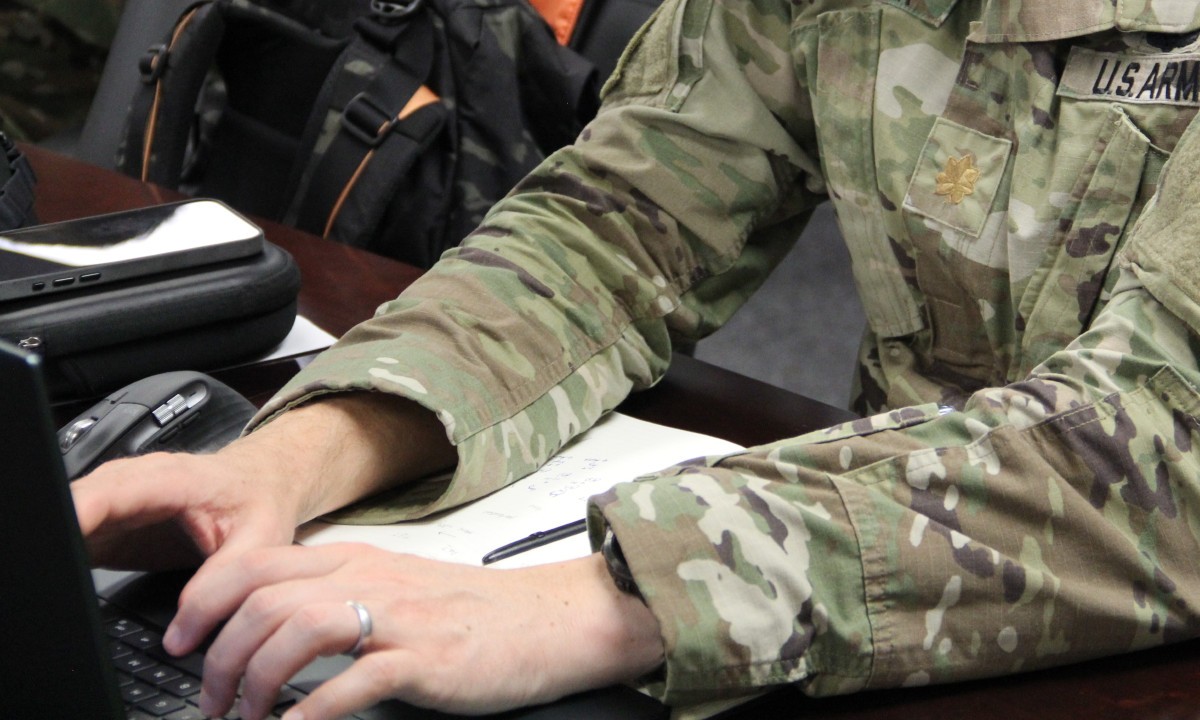
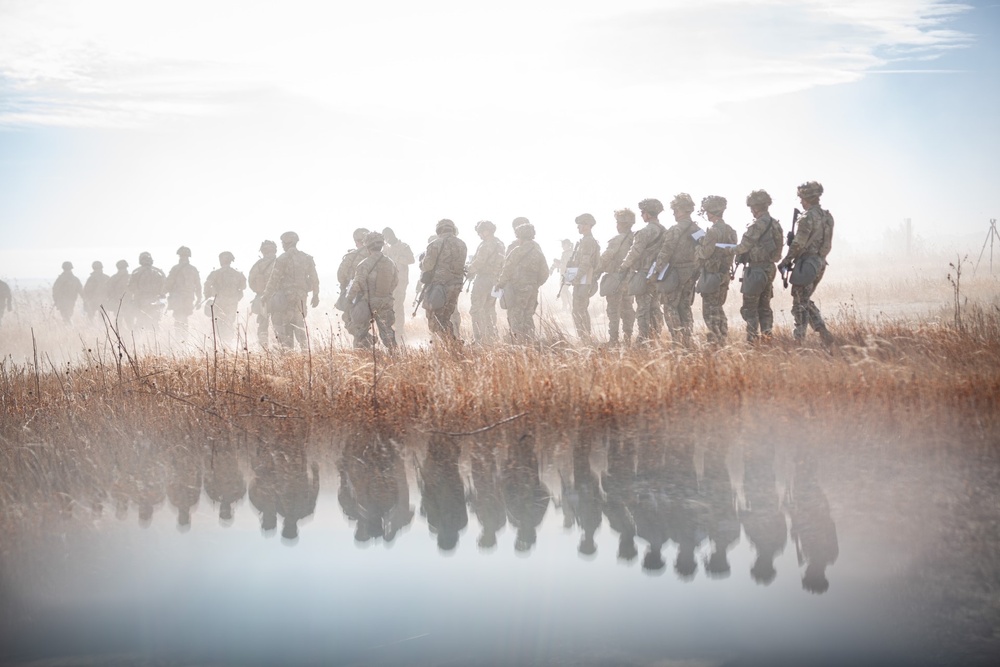
Protecting Soldiers, Preventing Harmful Behaviors, and Boosting Combat Readiness—with Data

Jon Bate, Stephanie Hightower, and Caleb Gage

Public article · Public synthesis

Evidence and limits
Question
How can unit-level signals help leaders focus prevention support?
What it shows
A public synthesis of the 4th Infantry Division prevention work, from incident momentum and automated alerts through richer unit-level forecasting and leader-led support.
Limits
A field account is not an independently reproduced causal study. Its retrospective pilot estimates are model-dependent, and it does not support individual risk scoring or personnel action.
Why it matters
It connects organizational signals with leader interpretation and support.
Full citation

Jon Bate, Stephanie Hightower, and Caleb Gage
Protecting Soldiers, Preventing Harmful Behaviors, and Boosting Combat Readiness—with Data
Modern War Institute, August 27, 2025.

JAMA Psychiatry · 2026

Predicting US Army Soldier Suicide-Related Behaviors at the Time of Periodic Health Assessments

Emily R. Edwards, Shelby Borowski, Matthew K. Nock, et al.

Abstract-based summary · Prognostic study

Evidence and limits
Question
What can models built from Army health-assessment records tell researchers about distinct outcomes?
What it shows
A recent prognostic study that developed separate machine-learning models for suicide deaths and nonfatal suicide attempts using administrative information available at U.S. Army periodic health assessments.
Limits
The public corpus uses only the citation and public abstract. This is individual-level prognostic literature, not an MP2 capability or authorization to rank people. Rare outcomes, partial overlap between outcomes, transport, calibration, fairness, intervention capacity, privacy, and consequences of false results all constrain use.
Why it matters
It supports scrutiny of validation, outcome definitions, and the consequences of model errors. MP2 does not offer individual scoring.
Full citation

Emily R. Edwards, Shelby Borowski, Matthew K. Nock, et al.
Predicting US Army Soldier Suicide-Related Behaviors at the Time of Periodic Health Assessments
JAMA Psychiatry. Published August 12, 2026. DOI: 10.1001/jamapsychiatry.2026.2410.

Prevention systems and organizational culture

Military Medicine · 2025

The People First Task Force Inventory: Understanding One Service's Activities to Prevent and Respond to Harmful and Destructive Behaviors and Lessons Learned for Application Across the Department of Defense

Lauren A. Shirey, Claudia A. Geary, Abimbola O. Adeola, and Theresa Jackson Santo

Public full-text source · Environmental scan

Evidence and limits
Question
How systematically were Army prevention activities developed and evaluated?
What it shows
A public-health environmental scan of reported Army prevention programs, initiatives, pilots, and research that examines portfolio coverage, systematic development practices, and formal evaluation status.
Limits
The inventory relied on submitted descriptions from a 2021 scan and did not test activity effectiveness. Categories, self-report, missing activities, small cells, and third-party data constrain interpretation; an inventory entry is not evidence that an activity works.
Why it matters
An inventory helps leaders identify gaps and decide what needs evaluation before adding another activity.
Full citation

Lauren A. Shirey, Claudia A. Geary, Abimbola O. Adeola, and Theresa Jackson Santo
The People First Task Force Inventory: Understanding One Service's Activities to Prevent and Respond to Harmful and Destructive Behaviors and Lessons Learned for Application Across the Department of Defense
Military Medicine 190, Supplement 2 (2025): 695–703. DOI: 10.1093/milmed/usaf312.

Military Medicine · 2026

A Systems Approach to Controlling Harmful Behavior: United States Navy Case Study

Elizabeth White Baker, Nancy G. Leveson, and Dale W. Russell

Abstract-based summary · Navy systems case

Evidence and limits
Question
How do organizational responsibilities and feedback affect harmful-behavior prevention?
What it shows
A Navy case study applying systems-theoretic modeling to harmful-behavior prevention, shifting attention from isolated individual actions toward organizational responsibilities, constraints, feedback, and continuity.
Limits
The corpus uses the citation, public abstract, and an independently written summary only. The single-Service model draws on policy review and interviews, does not prospectively test an intervention, and does not authorize collection from confidential support channels or disclosure of nonpublic data.
Why it matters
The case offers a method for examining gaps in organizational responsibility and continuity.
Full citation

Elizabeth White Baker, Nancy G. Leveson, and Dale W. Russell
A Systems Approach to Controlling Harmful Behavior: United States Navy Case Study
Military Medicine 191, Supplement 1 (2026): 483–492. DOI: 10.1093/milmed/usag135.

Royal Commission into Defence and Veteran Suicide · 2024

Final Report of the Royal Commission into Defence and Veteran Suicide

Royal Commission into Defence and Veteran Suicide

Public report · seven volumes · Independent inquiry

Evidence and limits
Question
What institutional conditions should a comprehensive prevention system examine?
What it shows
A seven-volume Australian public inquiry that examines military and veteran suicide as a layered system involving service conditions, culture, leadership, health care, transition, families, data, accountability, and oversight.
Limits
The report synthesizes evidence and makes recommendations in an Australian institutional setting. Recommendations are not evaluated effects, implementation evidence, or findings about any individual, and transfer to another country requires fresh legal, cultural, and empirical review.
Why it matters
The inquiry broadens the questions researchers ask about culture, transition, families, care, and accountability.
Full citation

Final Report of the Royal Commission into Defence and Veteran Suicide
Royal Commission into Defence and Veteran Suicide, 2024.

U.S. Department of Defense · 2023

Preventing Suicide in the U.S. Military: Recommendations from the Suicide Prevention and Response Independent Review Committee

U.S. Department of Defense

Public report · released 2023 · Independent review

Evidence and limits
Question
What changes did the independent military suicide-prevention review recommend?
What it shows
An external committee's comprehensive review of clinical and nonclinical military suicide-prevention efforts, organized around institutional conditions, access and quality of care, training, social and economic factors, lethal-means safety, research, and accountability.
Limits
The report was delivered in 2022 and publicly released in 2023. Its recommendations are not binding current policy, proof of implementation, or causal estimates of effectiveness; each proposed action requires current-authority review, feasibility work, ethical assessment, and evaluation.
Why it matters
The report helps frame implementation and evaluation questions across clinical and institutional prevention efforts.
Full citation

Preventing Suicide in the U.S. Military: Recommendations from the Suicide Prevention and Response Independent Review Committee
U.S. Department of Defense, 2023.

Military Review · 2025

What Can We Learn from Measuring Unit Culture? Preliminary Evidence from a Data-Centric Approach to Organizational Performance

Jonathan Bate and Nicholas Calhoon

Public article · Observational study

Evidence and limits
Question
How are unit culture and leadership dimensions related to recorded organizational outcomes?
What it shows
An observational study connecting measured dimensions of unit culture and leadership with recorded organizational outcomes.
Limits
The relationships are preliminary and observational. Cross-sectional measures, omitted variables, selection, and reverse causality prevent causal conclusions.
Why it matters
The observed relationships identify hypotheses for further testing.
Full citation

Jonathan Bate and Nicholas Calhoon
What Can We Learn from Measuring Unit Culture? Preliminary Evidence from a Data-Centric Approach to Organizational Performance
Military Review, March–April 2025.

Readiness, recovery and applied analytics

Military Review · 2024

Taking a Data-Centric Approach to Unit Readiness: Leveraging Analytics in a Brigade Combat Team

Anthony Keller, Jonathan Bate, and Brendon Wamsley

Public article · Applied analytics

Evidence and limits
Question
How can a brigade turn operational data into evidence leaders can use?
What it shows
A practical account of an embedded research-and-analytics process that starts with a leader decision and ends with contextual interpretation and feedback.
Limits
The cases come from one brigade. Methods and workflows require adaptation, governance, and evaluation in other settings.
Why it matters
Useful analytics depend on people and repeatable practice.
Full citation

Anthony Keller, Jonathan Bate, and Brendon Wamsley
Taking a Data-Centric Approach to Unit Readiness: Leveraging Analytics in a Brigade Combat Team
Military Review, November 25, 2024.

Modern War Institute · 2026

Can Biometric Data Make Units More Combat Ready? Yes, and This Brigade Gunnery Exercise Showed How

Jon Bate, Stephanie Hightower, and Rebecca Rough

Public article · Applied case

Evidence and limits
Question
Can wearable-derived readiness measures inform training and recovery decisions?
What it shows
A field study linking wearable-derived readiness measures with crew performance and showing why linear and nonlinear models can yield different insights.
Limits
The operational analysis is setting-specific and ongoing. Sensitive biometric data requires authority, minimization, access controls, and strict limits on personnel uses.
Why it matters
It shows how model choice and human interpretation shape training research.
Full citation

Jon Bate, Stephanie Hightower, and Rebecca Rough
Can Biometric Data Make Units More Combat Ready? Yes, and This Brigade Gunnery Exercise Showed How
Modern War Institute, March 25, 2026.

Research ethics and governance

Electronic Code of Federal Regulations · 2026

32 CFR Part 219—Protection of Human Subjects

Electronic Code of Federal Regulations

Official regulatory reference · Research regulation

Evidence and limits
Question
What protections govern covered human-subjects research?
What it shows
The Department of Defense's Common Rule regulation sets baseline requirements for institutional review, risk and benefit assessment, equitable subject selection, informed consent, privacy, records, and oversight of covered human-subjects research.
Limits
The eCFR is an authoritative but unofficial online edition and changes over time. This source supports governance education, not legal advice or a project-specific exemption or human-subjects determination; an authorized institution, HRPP, and IRB must apply the current authorities.
Why it matters
It helps researchers identify questions for an authorized institutional review. Consult the source for the current text.
Full citation

32 CFR Part 219—Protection of Human Subjects
Electronic Code of Federal Regulations, 2026.

U.S. Department of Defense · 2025

DoDI 3216.02: Protection of Human Subjects and Adherence to Ethical Standards in DoD-Conducted and -Supported Research

U.S. Department of Defense

Official policy · versioned source · Research policy

Evidence and limits
Question
What additional responsibilities apply to DoD-conducted or supported research?
What it shows
The current instruction implements human-research protections for DoD-conducted and DoD-supported work and adds DoD-specific review, oversight, consent, privacy, and safeguards for affiliated personnel and other subjects.
Limits
The corpus reflects the April 15, 2020 issuance incorporating Change 2 dated July 25, 2025. It is policy guidance, not a substitute for current Component requirements or an authorized HRPP, IRB, privacy, security, or legal determination.
Why it matters
The instruction helps frame review and oversight responsibilities. Authorized reviewers must determine the requirements for a project.
Full citation

DoDI 3216.02: Protection of Human Subjects and Adherence to Ethical Standards in DoD-Conducted and -Supported Research
U.S. Department of Defense, 2025.

What remains unsettled matters.

The public base-model paper is predictive and associational. It does not estimate whether the intervention caused a change in recorded incidents.

The separate 4ID pilot impact evaluation remains a controlled draft whose treatment timing, code branch, analytic data, and saved outputs require reconciliation before MP2 treats its estimates as settled or reproducible.

Public claim standard: every quantitative or high-stakes statement must carry a source, limitation, causal-status label, and release-status check.

Learn how to read the methods